

What are spring allergies?
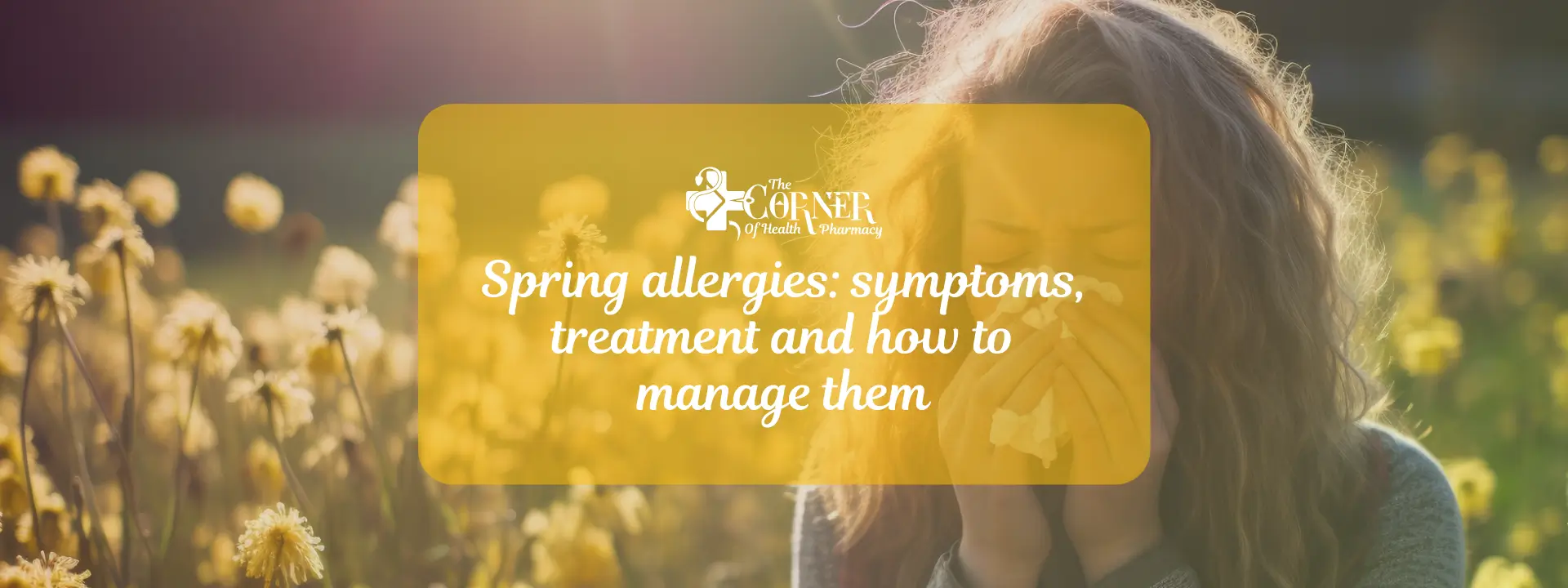
With the arrival of spring, many people begin to experience discomfort that is often mistaken for a cold. The cause in most cases is seasonal allergies, also known as allergic rhinitis. They are caused by pollen that plants release into the air, especially during the months of April and May.
The immune system reacts to these otherwise harmless particles as a threat, leading to various symptoms, mainly affecting the respiratory system, eyes, and skin.
Most common symptoms
Symptoms of spring allergies can vary in intensity, but most often include sneezing, a runny or stuffy nose, an itchy nose and throat, and red, watery eyes. Some people also experience a cough, fatigue, or difficulty breathing.
It is characteristic of allergies that symptoms appear upon exposure to the outdoors and can last for weeks or even months, unlike a cold, which usually subsides in a few days.
How to distinguish an allergy from a cold
Distinguishing between an allergy and a cold is important because the approach to treatment is different.
With allergies, there is usually no fever, and the nasal discharge is clear. Itchy eyes and nose are also more typical of an allergic reaction. With a cold, fatigue, body aches, and thicker discharge are often observed.
Duration is also an indicator - if the symptoms persist for a long time and recur every spring, the likelihood of an allergy is high.
Main causes in spring
During the spring months, the main allergens are tree and grass pollens. Different plants dominate at different times, which explains why some people have stronger symptoms in early spring and others later.
Factors such as wind, dry weather, and air pollution can increase the spread of pollen and consequently worsen symptoms.
What are the treatment options?
Allergy control usually involves a combination of medication and lifestyle changes.
Antihistamines are among the most commonly used remedies and help relieve symptoms such as sneezing, itching, and runny nose. Nasal sprays, especially those with corticosteroids, reduce inflammation in the nasal mucosa and are effective for more severe symptoms.
Eye drops can relieve redness and tearing, and in more severe cases, a doctor's consultation may be necessary for an individual therapeutic approach.
Practical tips for daily control
In addition to medication, daily habits play an important role in limiting symptoms.
It is a good practice to avoid going outside during peak pollen times, usually in the morning. Airing out your home is best after a rainstorm, when pollen levels are lower. After spending time outside, it is advisable to change clothes and wash your face and hair.
Using sunglasses can also reduce eye contact with allergens.
Allergies in children
In children, allergy symptoms can be harder to recognize because they are often confused with common colds. Typical signs include a persistent runny nose, sneezing, and eye rubbing.
It is important that treatment is age-appropriate, using appropriate forms and doses of medication. Consultation with a doctor or pharmacist is recommended, especially for younger children or for more severe symptoms.
When to seek medical attention
If symptoms are severe, persist for a long time, or interfere with daily activities and sleep, it is a good idea to seek medical attention. This is especially important if you have difficulty breathing or suspect asthma.
Timely diagnosis and proper treatment can significantly improve quality of life.
Conclusion
Spring allergies are a common problem, but with the right approach they can be successfully controlled. The combination of appropriate medications and adaptation of daily habits allows for significant relief of symptoms.
Awareness and timely action are key to managing discomfort and maintaining a good quality of life during the spring months.